

Energy Storage & Grid Balancing

“Managing the wide-scale introduction of intermittent renewable energy sources into electricity transmission networks is essential for ensuring the stability and flexibility of the grid, especially in an HVDC context. Innovative, hybrid storage solutions will enable us to do this.”
Sylvain Grillet, Department Director – Energy Storage & Grid Balancing
To support the integration of renewable energies within the European electricity network, the Energy Storage & Grid Balancing department adapts and develops hydraulic storage solutions based on the use of pumped storage plant (PSP) technology.
Because wind and solar energy are highly variable, using them on a wide scale requires massive and reactive means of storage. Although hydraulic storage is a mature technology – today it represents 97% of electrical energy storage worldwide – it must be significantly adapted to meet the challenges of the energy transition.
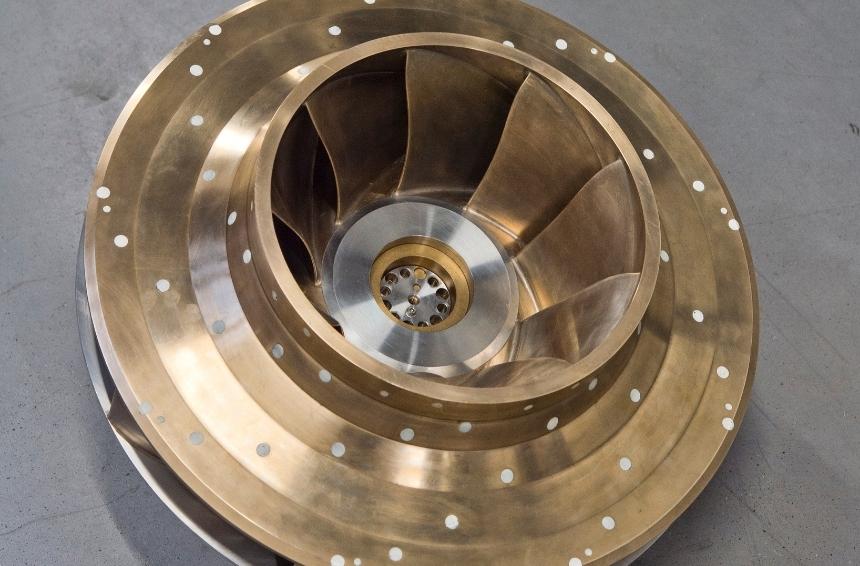
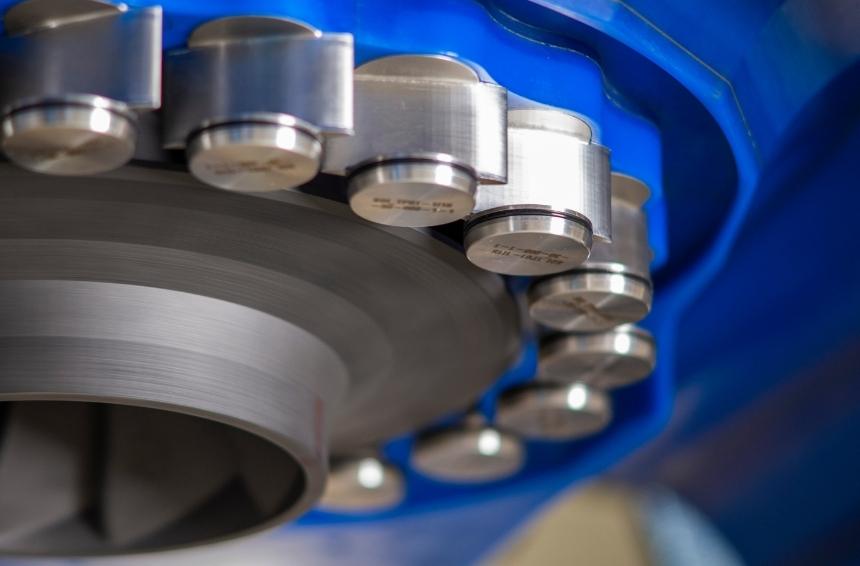
We focus on adapting conventional or variable speed pump turbines and improving their hydraulic characteristics. We also study the hybridisation of PSPs with other means of storage, exploring the economics of ancillary services.
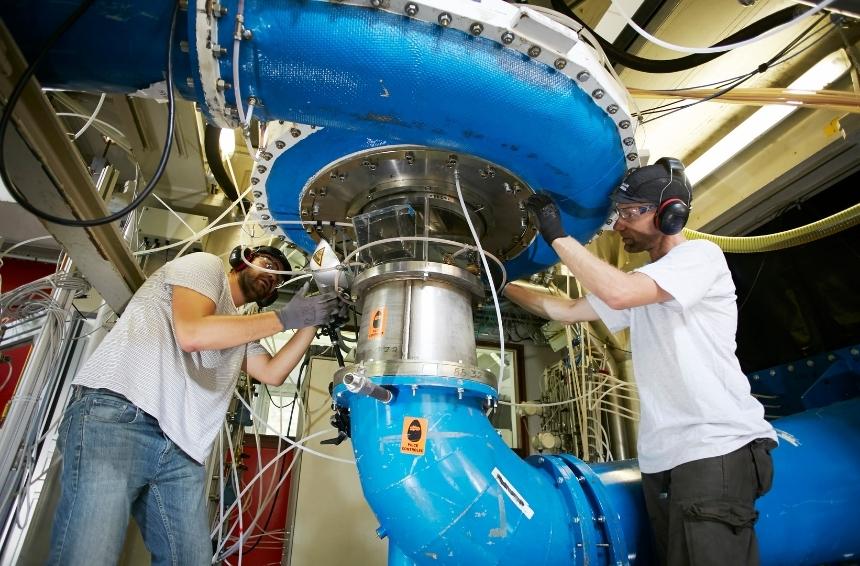
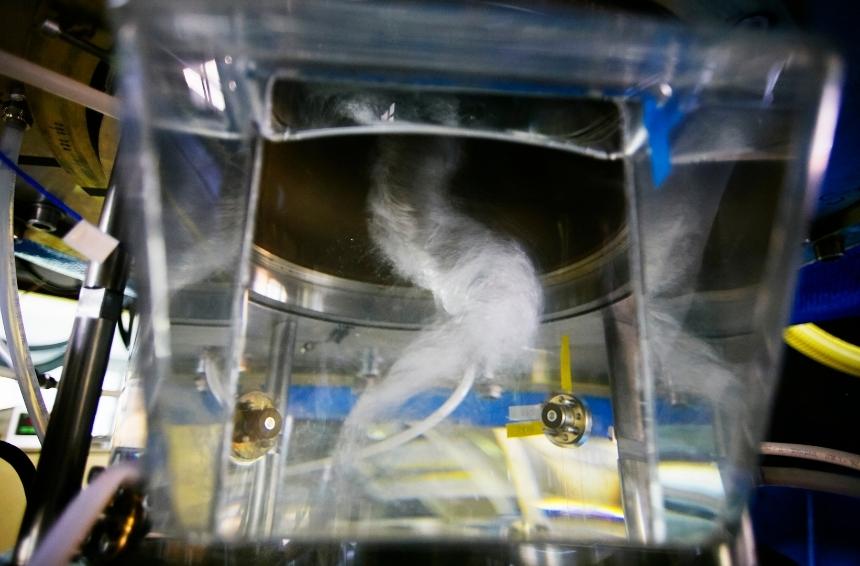
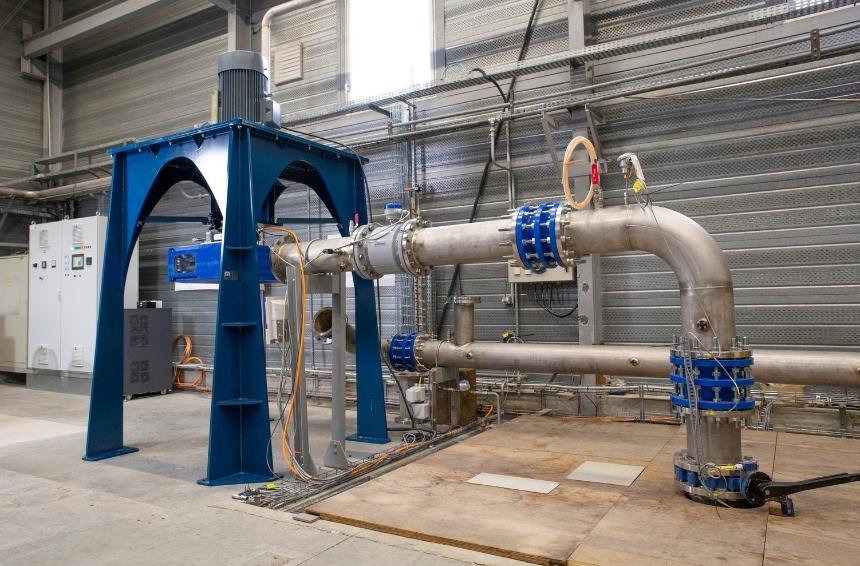
SuperGrid Institute’s hydraulic platform makes it possible for us to test every kind of reversible pump turbine in all four quadrants, gathering data on efficiency, cavitation and dynamic behaviour according to IEC 60193 standard requirements.
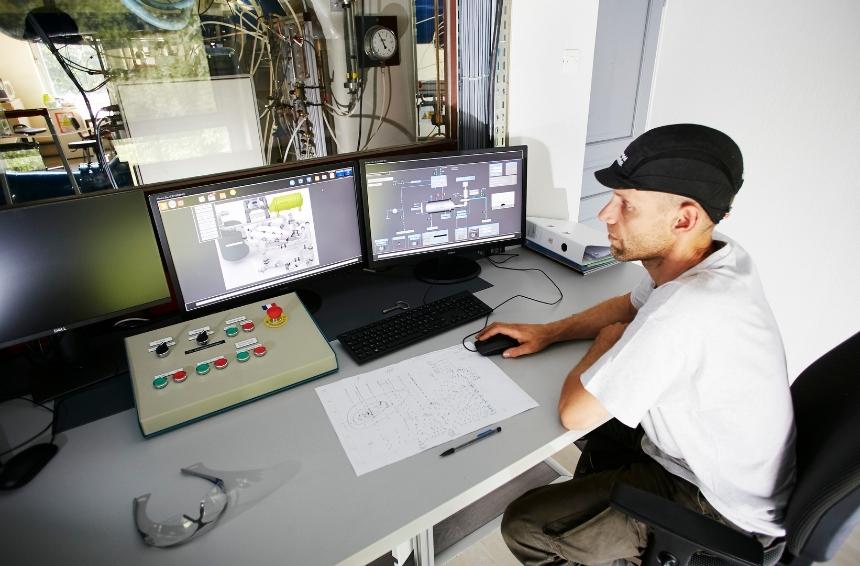
Another platform, HydroPHIL, simulates the performance of hydroelectric dams. It focuses on hydraulic transitions within the power grid and, more generally, on unsteady regimes associated with the operation of hydraulic turbines: power build-up, start-ups, shutdowns, etc.
Recent publications
Characterization and tests of the HTS tape and the preliminary pancake for the RSFCL of the SCARLET project
Characterisation of HTS tapes and a first superconducting pancake coil for an RSFCL developed within the SCARLET project.
Expanding the Frontiers of Hydropower Innovation
Hydropower operators must deliver greater flexibility, extend operating ranges and modernise ageing assets while limiting technical and investment risks. Discover practical engineering approaches and industrial case studies in our new white paper.
An optical magnetometer toward measurements of low current magnitudes for high voltage power transmission applications
A Zeeman-effect magnetometer measures magnetic fields from leakage currents in HVDC cable insulation, supporting insulation condition assessment.


Contact our expert
Camille Prud’Homme, Business Development Manager