
High Voltage Substation Equipment

“In the High Voltage Substation Equipment research department, we respond to the constraints of DC networks whilst respecting the environment.”
Marie-Hélène Luton, Department Director – High Voltage Substation Equipment
We develop substation technologies to respond to the constraints of future DC networks as well as those of current AC networks. This includes using circuit breakers to clear fault currents from meshed DC networks, as well as developing interconnection nodes to transfer energy. Our circuit breaker technologies and protection strategies are designed to reduce the cost of infrastructure and preserve the stability and availability of the network.
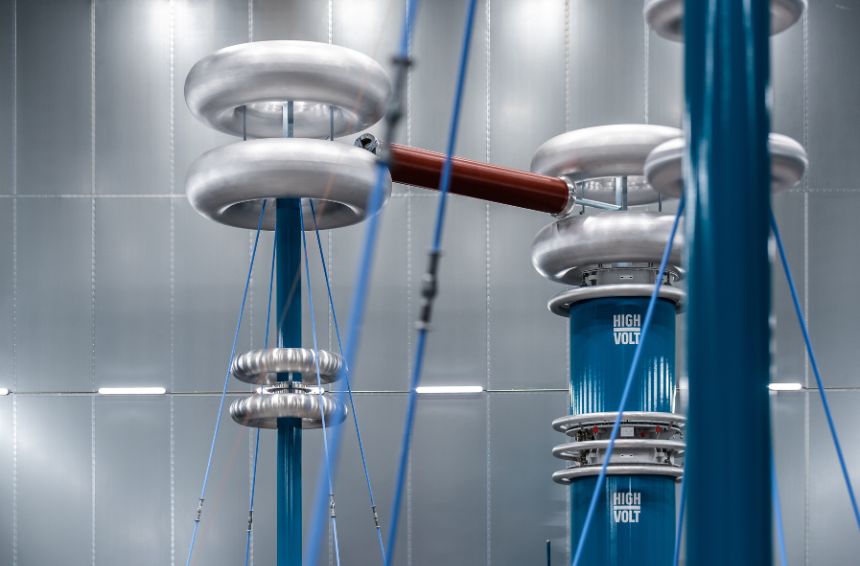
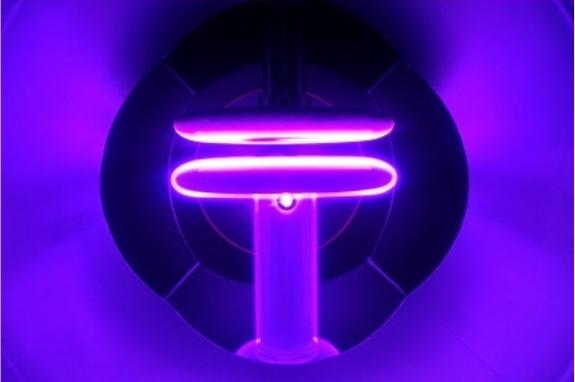
Gas-insulated switchgear is essential to networks, yet it is currently highly dependent on sulphur hexafluoride gas (SF6) – at the top of the list of greenhouse gasses – as the insulating medium. We study, model and optimise alternatives for gas-insulated switchgear. In addition, we research and implement new solid and gas insulation systems to provide enhanced electrical performance and resilience whilst maintaining low environmental impact.
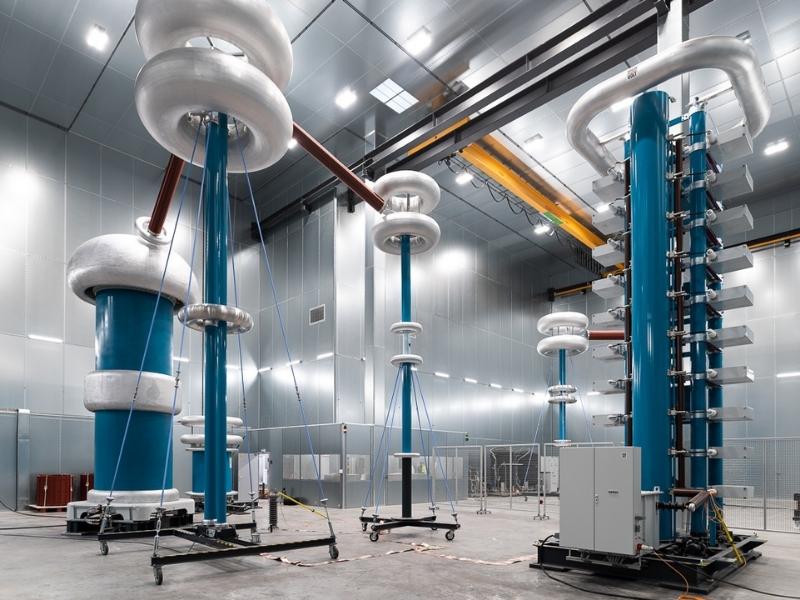
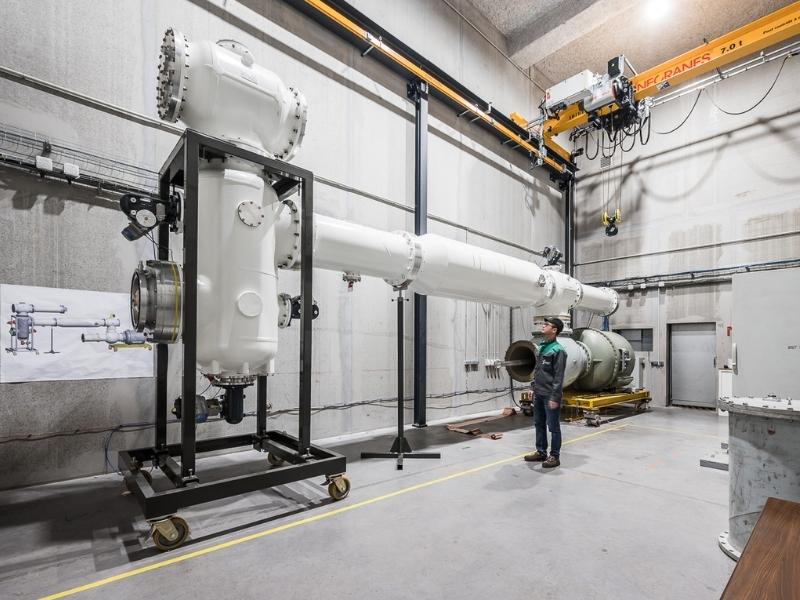
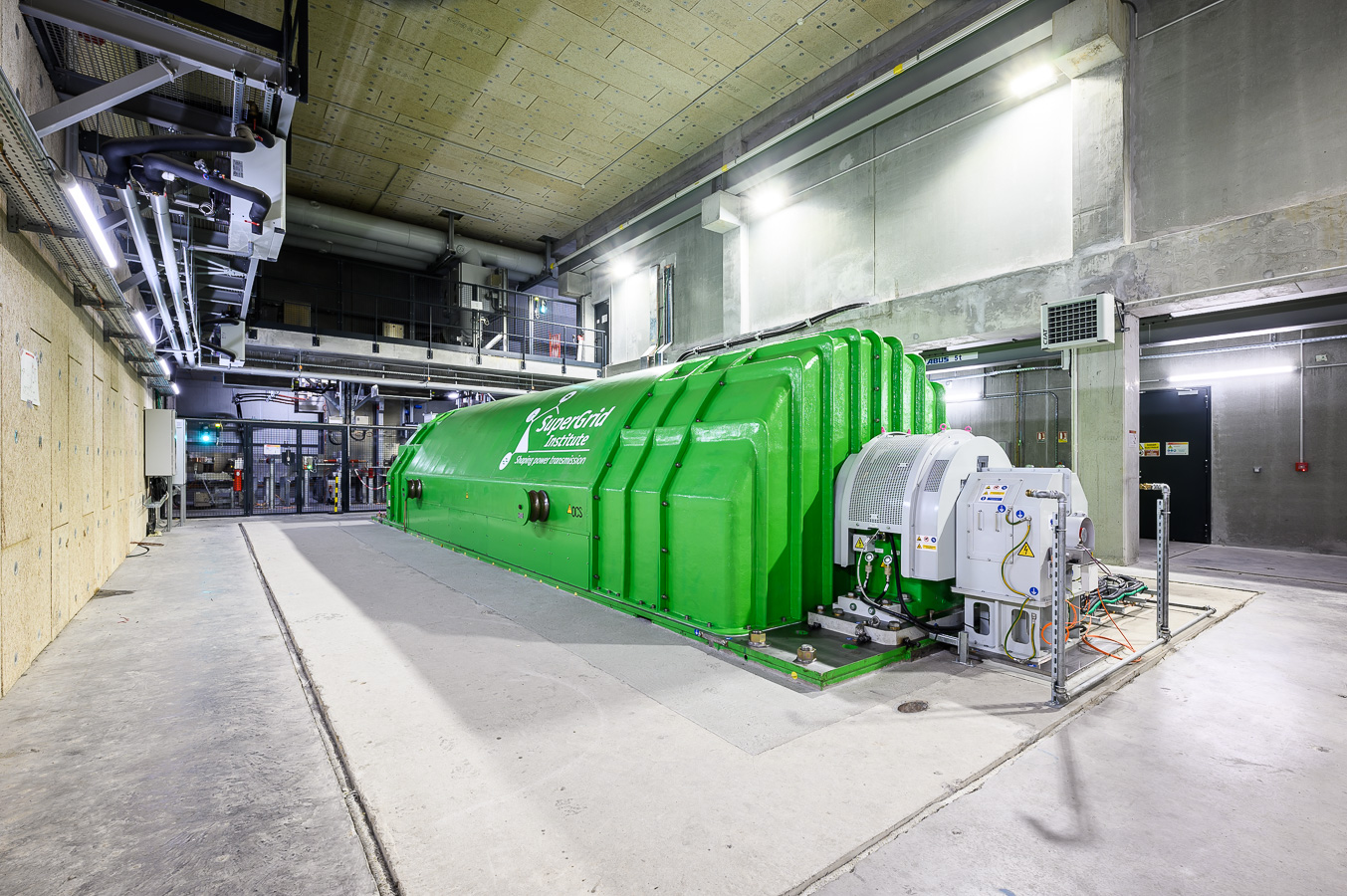
To validate performance, we rely on SuperGrid Institute’s dielectric and power test laboratories. The characterisation platform enables us to define insulating material properties.
Our research projects include:

Recent publications
Fault-current and protection management: expanding applications for RSFCL technologies in AC and DC networks
RSFCL technologies are expanding beyond AC fault-current limitation to support HVDC protection schemes and future DC switching station architectures.
Characterization and tests of the HTS tape and the preliminary pancake for the RSFCL of the SCARLET project
Characterisation of HTS tapes and a first superconducting pancake coil for an RSFCL developed within the SCARLET project.
An optical magnetometer toward measurements of low current magnitudes for high voltage power transmission applications
A Zeeman-effect magnetometer measures magnetic fields from leakage currents in HVDC cable insulation, supporting insulation condition assessment.