Systèmes de câbles haute tension

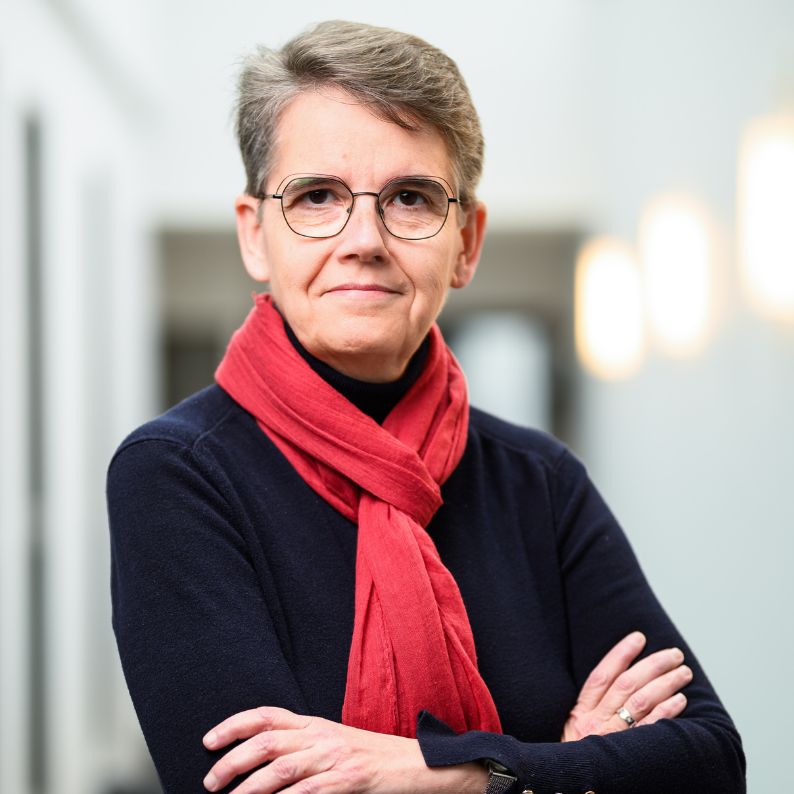
« Pour permettre l’intégration à grande échelle des énergies renouvelables, les réseaux doivent être capables de transporter l’électricité sur de longues distances. Les systèmes de câbles HVDC sont essentiels. Nous soutenons le développement de solutions innovantes pour garantir la fiabilité des systèmes de câbles HVDC souterrains et sous-marins. »
Marie-Hélène Luton, Directrice du département Systèmes de câbles haute tension
Nous fournissons une large gamme de services et de solutions pour les réseaux HVDC, les réseaux MVDC et les connexions au réseau des parcs éoliens offshore.
Grâce à notre compréhension du comportement des matériaux isolants sous fortes contraintes diélectriques et thermiques, nous sommes à l’origine du développement de matériaux hautes performances pour les câbles et accessoires HVDC.
La fiabilité étant une préoccupation majeure pour le système de transmission, nous développons des méthodes et des dispositifs innovants pour la surveillance des câbles haute tension, basés sur l’analyse des phénomènes physiques qui provoquent le vieillissement des matériaux isolants.
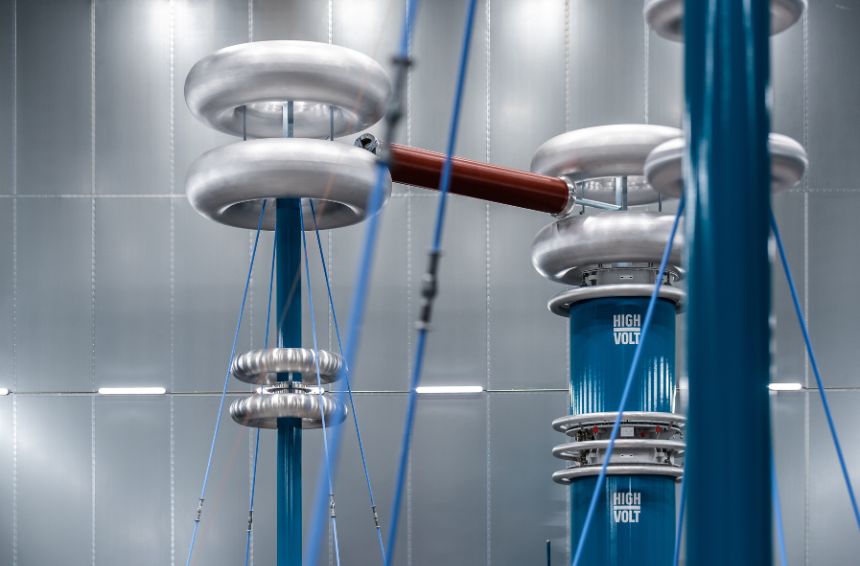
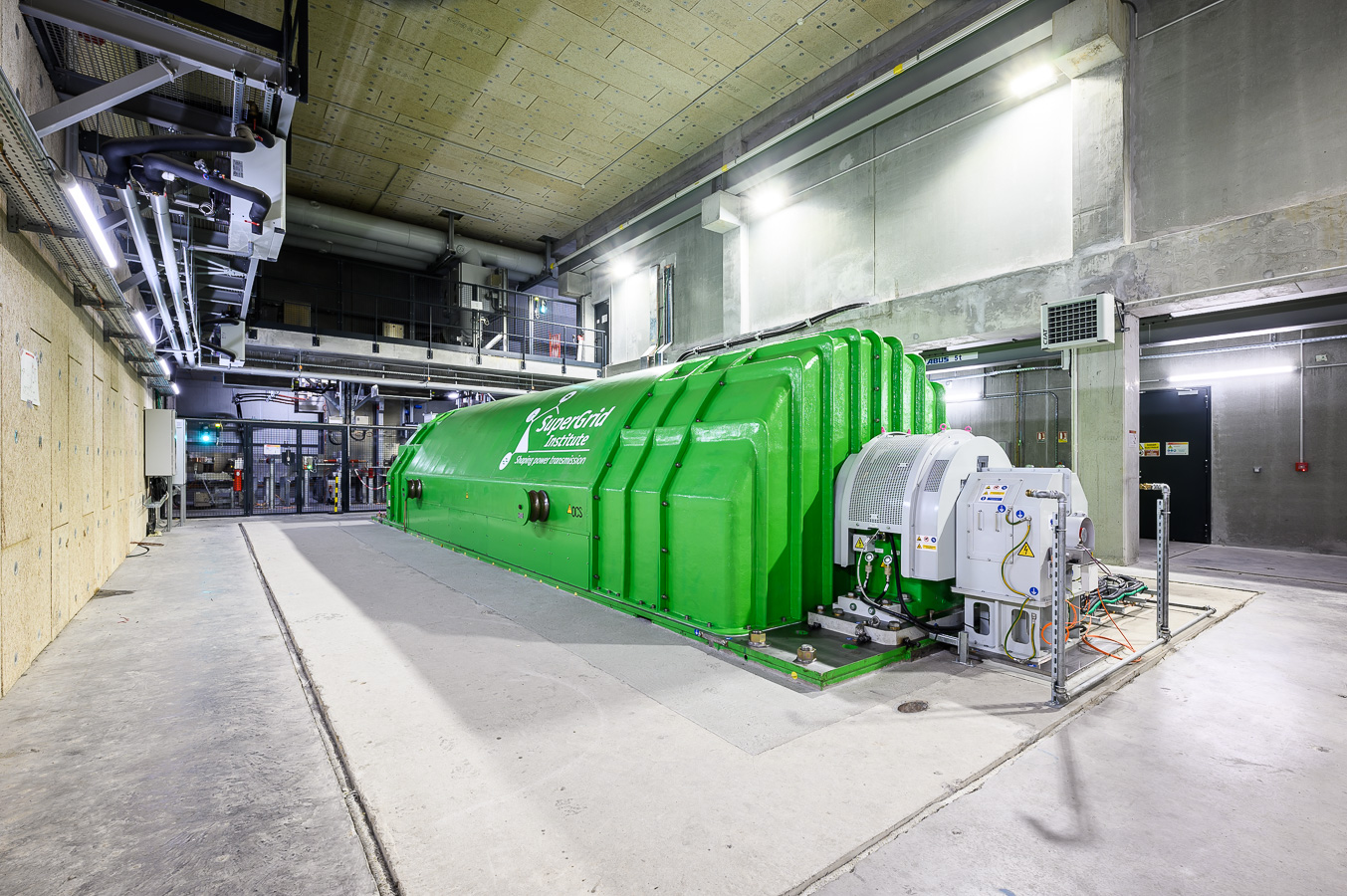
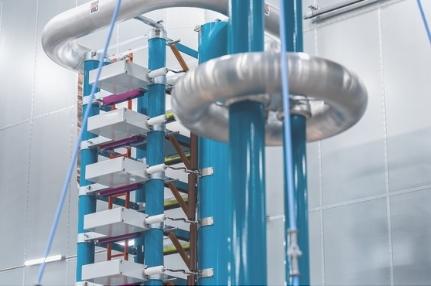
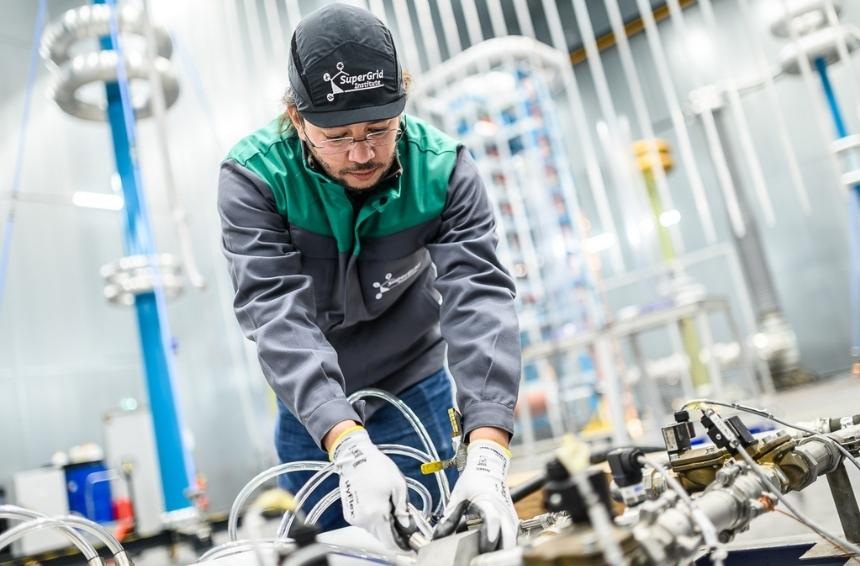
Nous concevons et exploitons diverses plateformes d’essais pour reproduire les conditions de vie des systèmes de câbles haute tension et des équipements sous-marins : conditions d’essai de type standard, transitoires des nouveaux types de systèmes HVDC, conditions combinées haute tension et hyperbare.
Publications récentes
The power of real-time simulation for next-generation grid control
The power of real-time simulation for next-generation grid control Electricity networks are changing faster than ever. As renewable generation, digitalisation and direct current (DC) technologies reshape power flows and the equipment it flows through, manufacturers and grid operators are working to ensure the stability, reliability and interoperability of power systems. Yet as these systems become more complex, new solutions must be validated and optimised long before they are deployed in the field. That is where real-time grid simulation comes in. Factory acceptance tests (FAT) for power system controls allow engineers to test, refine and de-risk new or more mature grid control technologies in a fully controlled environment, bridging the gap between offline and real-world performances. Understanding real-time simulation, HIL and PHIL At its core, real-time simulation reproduces the dynamic behaviour of power systems in a digital environment that operates at the same pace as the physical world. Unlike offline simulation, where results are obtained after running a computational model, real-time simulators compute the response of a system continuously, step by step, in real time: 1 second of simulation = 1 second gone by in the real world! Two techniques that extend this tool’s reach are: Hardware-in-the-Loop (HIL) and Power-Hardware-in-the-Loop (PHIL) simulation. HIL simulation connects real control hardware - for example, the control board of a converter or protection relay - to a virtual power system model. The controller is involved in simulated conditions identical to an actual grid, allowing engineers to observe how control algorithms & communication protocols perform under [...]
Solid-State Transformers – Inside the Technology
Solid-State Transformers: Inside the Technology Welcome back to our article series exploring the fundamentals of Solid-State Transformers (SSTs). In our last article, we addressed the basic questions of what a solid-state transformer is and why it matters for the future of power distribution. Now let us dive in deeper! What role do the SST’s components play in making this technology efficient and compact? How can this flexible solution be used in different electrical architectures? Why are SSTs an important enabling technology for a sustainable energy future? Read on to find out! Reminder: What is a solid-state transformer ? At its simplest, a traditional transformer transfers electrical energy between circuits using magnetic fields. A Solid-State Transformer (SST) performs the same fundamental role but does so through advanced power electronics. Instead of relying solely on heavy copper windings and iron cores, SSTs use semiconductor switches and high-frequency conversion technologies to precisely control energy flow. This not only makes them significantly more compact and efficient, but also allows for intelligent control, bidirectionality, and seamless integration across both AC and DC networks. In essence, SSTs bridge the gap between the conventional grid and [...]
The HVDC-WISE project reaches the final year!
HVDC-WISE has delivered practical ways to help Europe move more clean electric energy where it’s needed - more reliably, and with faster recovery when disruptions occur.